Your Pet’s New Favorite Vet in Roseville
Little Paws Animal Hospital was built to solve a problem too many pet owners in Roseville and Sacramento know well: waiting days, sometimes weeks, for a veterinary appointment while a pet’s condition worsens. Dr. Toor and Dr. Singh founded the practice to close that gap with faster scheduling, in-house diagnostics, and a genuine, relationship-based approach to care.
As new neighborhoods continue to spring up across the region, the need for accessible, high-quality veterinary care keeps growing right alongside it. This hospital offers everything from wellness exams to advanced dentistry and diagnostics, all under one roof, so your dog or cat gets answers and treatment without unnecessary delays. That approach reflects a simple belief: pets recover faster and stay healthier when their care doesn’t get stuck in a queue.
Our Mission
Dr. Toor and Dr. Singh started Little Paws Animal Hospital with one clear goal: to make excellent veterinary care easier for pet owners in this community. Their mission blends modern medical equipment and in-house diagnostics with a personal, relationship-based approach that feels nothing like a corporate clinic, giving your pet advanced care without losing the personal touch.
Every visit follows one simple principle: explain before we treat, so you always understand what’s happening with your pet and why. That commitment keeps you from guessing about a diagnosis or wondering whether a recommended treatment is truly necessary. The doctors believe informed pet owners make better partners in their pet’s health, and that belief shapes every conversation in the exam room.

Why Choose Us
Choosing a veterinary hospital is a big decision, and you deserve a practice built around your pet’s needs and your peace of mind. Here’s what sets this team apart from other veterinary hospitals in the area.
Faster Access to Care
Waiting days or weeks for an appointment can turn a minor issue into a major one. This practice offers Saturday hours, walk-ins, and same-day appointments whenever possible, so your pet gets seen before a problem gets worse. Flexible scheduling means you’re not stuck choosing between your pet’s health and your calendar. Pets can’t tell you exactly how they feel, so getting them examined quickly matters more than most owners realize.
Answers Without the Wait
Waiting days for lab results only prolongs your pet’s discomfort. With diagnostic equipment kept on-site, results are often ready during the same visit, so treatment can start immediately instead of after a frustrating delay. You’ll find a closer look at how that works further down this page.
A Dedicated Dental Suite
Dental health affects far more than your pet’s breath; it plays a real role in their overall comfort and long-term well-being. This practice built an entire suite specifically for oral care, equipped for everything from routine cleanings to more involved dental work. The dentistry section below explains what that means for your pet.
Privately Owned, Personally Invested
Little Paws Animal Hospital is privately owned and operated by the doctors themselves, not run by a corporate chain. The people making decisions about your pet’s care are the same people who greet you at the front desk and remember your pet’s name. You’ll build a real relationship with your veterinarian instead of seeing a different face at every visit. That continuity gives your doctor a fuller picture of your pet’s history, which leads to better, more informed care over time.
Ready for the Unexpected
Injuries and complications don’t wait for a convenient time, and this practice is equipped to respond quickly during business hours, from surgical care to oxygen support for pets in respiratory distress. You’ll find more detail on both a bit further down.

Modern Care, Designed Around Your Pet’s Comfort
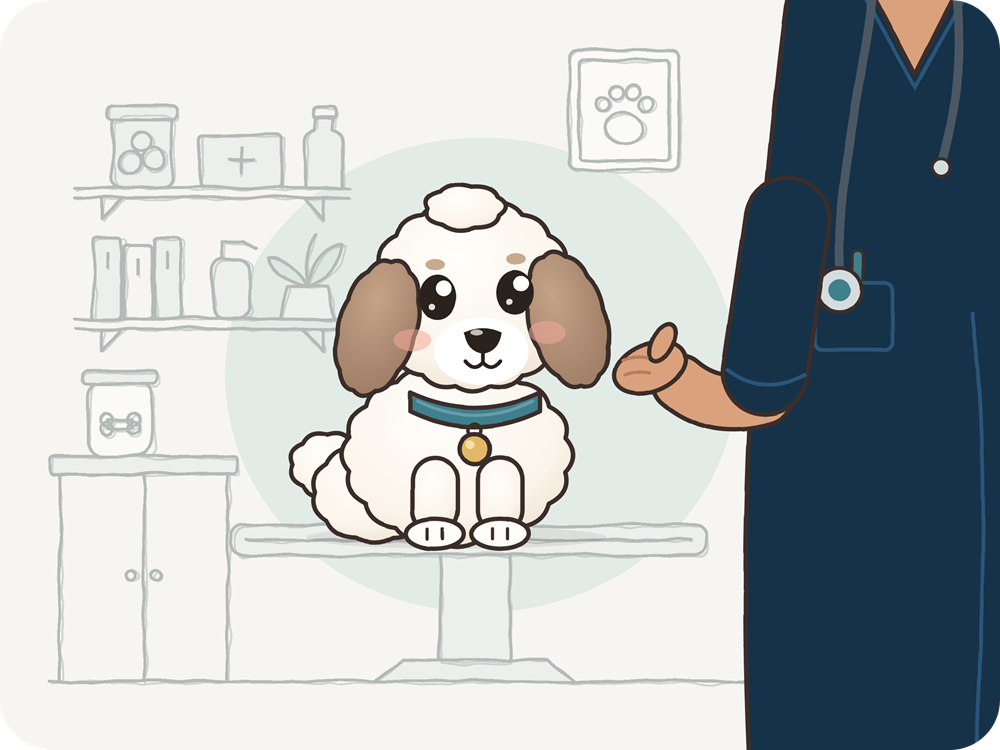
We Explain Before We Treat
Our veterinarians take the time to walk you through your pet’s health and treatment options, so you always understand what’s happening and why before any treatment begins.
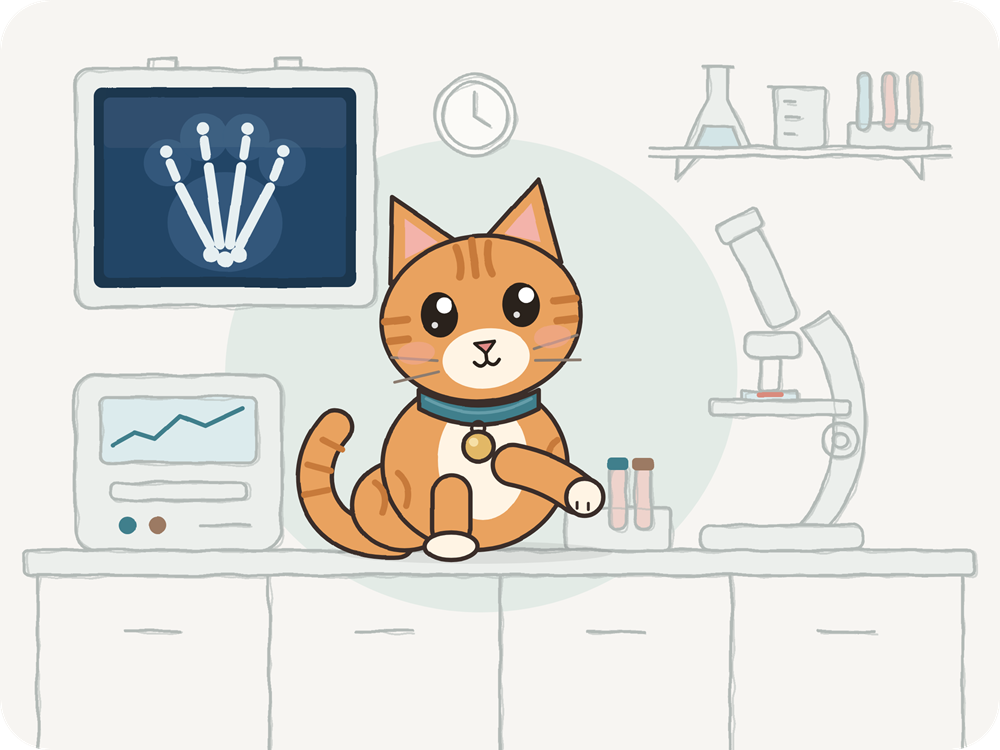
Answers Without the Wait
With in-house bloodwork, radiographs, and diagnostic testing, we can often get results during the same visit and start treatment sooner.
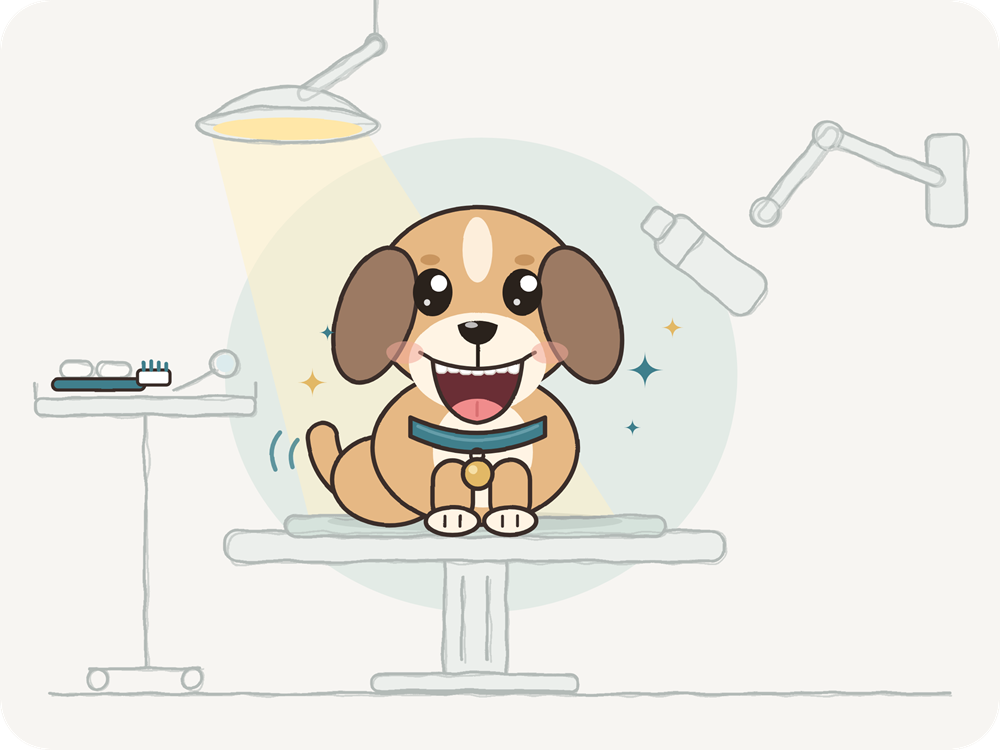
A Dedicated Dental Suite
Our dental suite was built specifically for pet oral care, with dental X-rays and modern equipment for cleanings and extractions.
Our Veterinary Services







Veterinary Dentistry
A dog that suddenly won’t touch his favorite chew toy, a cat whose breath has gone from mild to unbearable, a tooth that looks a little looser than it did last year- these are some of the clearest signs that dental disease has been quietly building for a while.
Left alone, plaque hardens into tartar, tartar irritates the gums, and what starts as a cosmetic annoyance can progress into infection, tooth loss, or pain that pets are remarkably good at hiding. A dedicated dental suite, built specifically for cleanings, dental X-rays, and extractions, is often the difference between catching this early and treating it after it’s already spread.
Is veterinary dentistry right for your pet?
Not sure whether it’s time for a dental visit? Here’s who typically needs one, what actually happens during a cleaning, and what the research says about waiting too long.
Who Shows Signs First
Small-breed dogs, senior pets, and any animal that’s never had a professional cleaning tend to develop dental problems earliest. Bad breath, drooling, or a sudden preference for soft food over kibble are usually the first clues an owner notices. Cats are especially good at masking discomfort, so changes in eating habits are often the only warning sign.
What a Dental Visit Involves
A full dental visit starts with an oral exam, followed by dental X-rays that reveal what’s happening below the gumline, where most disease actually hides. From there, a cleaning under anesthesia removes plaque and tartar buildup that a toothbrush can’t reach. Any teeth that are too damaged to save are addressed during the same visit, so pets aren’t sent home to deal with a painful tooth twice.
Where the Work Happens
All dental procedures take place in the practice’s dedicated dental suite, a space built specifically for oral care rather than squeezed between routine exams. Having equipment set up and ready in one place means fewer delays and a smoother, more comfortable procedure for your pet.
When to Schedule One
Most pets should have their teeth checked at least once a year during a routine wellness visit. Bad breath, visible tartar, or a pet pawing at their mouth are all signs it’s worth scheduling sooner rather than waiting for the annual exam.
Why It's Worth Prioritizing
Treating dental disease early protects more than a pet’s smile. Bacteria from an infected mouth can travel into the bloodstream and put extra strain on organs like the heart, liver, and kidneys.
What the Research Shows About Waiting
Periodontal disease is one of the most common health problems veterinarians see, and regular checkups can largely prevent it. According to the American Veterinary Medical Association, most dogs and cats already show some evidence of gum disease by age three, and left untreated, it tends to worsen conditions like heart, liver, or kidney disease while making diabetes harder to manage. Catching it early is almost always simpler, and less painful, than treating it after it’s spread.
Diagnostics
A pet that seems “just a little off,” a senior dog slowing down in ways that could be normal aging or could be something more, a cat that’s lost weight without any obvious cause- these vague, easy-to-dismiss symptoms are exactly where diagnostics earn their keep.
Bloodwork, radiographs, and other lab testing can reveal what’s happening internally long before a physical exam alone would catch it. Without that information, a treatable condition can keep progressing quietly in the background.
Is diagnostic testing right for your pet?
Wondering whether your pet needs testing beyond a standard exam? Here’s who benefits most, what’s actually involved, and why same-day results matter more than you’d think.
Who Benefits Most
Senior pets, animals managing a chronic condition, and any pet showing vague symptoms like low energy or appetite changes are the clearest candidates for diagnostic testing. Pets scheduled for anesthesia or surgery also typically need bloodwork beforehand to confirm they’re a safe candidate for the procedure.
What's Actually Tested
In-house diagnostics can include bloodwork, radiographs, and SNAP testing, covering everything from organ function to infectious disease screening. Because the equipment is on-site, results are often available the same day, sometimes within the same visit.
Where the Testing Happens
All diagnostic work is done directly in the hospital’s own lab and imaging space, rather than being sent out to a third-party facility. That keeps samples in-house from start to finish and avoids the delays that come with outside labs.
When It Makes the Biggest Difference
Diagnostics are valuable during routine wellness visits, but they become essential the moment a pet shows signs of illness, injury, or unexplained behavioral changes. The sooner testing happens after symptoms appear, the sooner an actual treatment plan can start.
Why Same-Day Results Matter
Waiting days for lab results means waiting days to start treatment, and in the meantime, many conditions don’t stay the same; they get worse. Getting answers quickly turns a stressful guessing game into a clear next step.
What the Guidelines Recommend
Routine diagnostic testing is one of the most effective tools for catching disease before it becomes serious. The 2023 AAHA Senior Care Guidelines recommend a complete blood count, chemistry panel, and urinalysis roughly every six to twelve months for older pets, specifically because many conditions, like kidney disease, don’t show obvious symptoms until they’re already advanced. Skipping routine testing often means a manageable issue goes unnoticed until it becomes much bigger.
Surgical Procedures
A torn nail that’s turned into a limp, a puncture wound from a scuffle with another dog, a pregnant pet who’s been straining for hours with no puppies to show for it- these are the kinds of situations that don’t wait for a convenient appointment slot. Surgical care available during business hours, rather than scheduled weeks out, often separates a manageable emergency from a serious one.
Is surgery right for your pet?
Not sure if your pet’s situation calls for surgery? Here’s who typically needs it, what’s involved, and why timing matters as much as the procedure itself.
Who Needs Surgical Care
Pets recovering from injuries, dog bites, or accidents are among the most common surgical patients at this practice. Pregnant pets experiencing a difficult or prolonged labor, known as dystocia, also frequently need urgent surgical intervention to protect both the mother and her offspring.
What the Procedure Involves
Surgical services range from wound repair and mass removals to more urgent interventions like an emergency delivery. Every procedure includes anesthesia monitoring and close observation, so your pet is watched carefully from start to recovery.
Where Surgeries Take Place
All procedures happen on-site in the hospital’s surgical suite, equipped specifically for everything from routine spays to more complex, time-sensitive operations. That means no added stress of a referral or transfer when a pet needs care quickly.
When It Can't Wait
Some surgeries are planned well in advance, but injuries, dog bites, and difficult labor typically call for same-day attention. The longer a serious injury or obstructed birth goes untreated, the more complicated the outcome tends to be.
Why Fast Access Changes the Outcome
Getting surgical care quickly can mean the difference between a straightforward recovery and a much longer, more complicated one. It also spares pets the added stress of being transferred elsewhere while already in distress.
What the Guidelines Recommend
Injuries requiring surgical attention are more common than most pet owners realize. The American Veterinary Medical Association reports that nearly 4.7 million Americans are bitten by dogs each year, with as many as 800,000 requiring medical attention, and pets involved in these incidents often need surgical wound care of their own. Veterinary researchers at Cornell University also classify dystocia as a true emergency, noting that delays in treatment put both the mother and her puppies at serious risk.
Preventative and Medical Care
A puppy due for their next round of shots, a dog overdue for a heartworm test, a cat quietly developing kidney issues that won’t show symptoms until they’re advanced- preventative care is built to catch exactly these situations before they turn into something bigger. It’s easy to push off when a pet seems perfectly healthy, but that’s precisely when this kind of care does the most good.
Is preventative care right for your pet?
Wondering how often preventative visits actually need to happen? Here’s who needs them, what’s covered, and why staying consistent matters more than it seems.
Who Needs It Most
Every pet benefits from preventative care, from puppies and kittens working through their first vaccine series to older pets managing an ongoing condition like diabetes or kidney disease. Pets with skin allergies or recurring parasite issues also tend to need more frequent monitoring.
What's Included
Preventative visits typically cover vaccines, deworming, fecal analysis, and parasite prevention, along with ongoing management of medical concerns like dermatology issues. Each visit is also an opportunity to catch small changes in weight, behavior, or bloodwork before they become bigger problems.
Where It Fits Into a Visit
Preventive care is folded into a standard wellness exam rather than requiring a separate appointment, so it doesn’t add extra trips to the vet. Same-day options are also available if something unexpected comes up during the visit.
When to Schedule It
Puppies and kittens need an early vaccine series spaced out over several weeks, and adult pets should return at least annually. Senior pets benefit from twice-a-year visits, since conditions tend to progress faster later in life.
Why Consistency Matters
Preventative care catches small issues while they’re still simple and inexpensive to treat. Skipping visits doesn’t just delay a diagnosis; it often means treatment starts later, when the condition has already become more serious.
What Happens When Prevention Is Skipped
Some preventable diseases are entirely avoidable with routine vaccination, yet still show up because pets fall behind on care. Rabies, for example, is nearly always fatal once symptoms appear, but the American Veterinary Medical Association notes it’s also considered entirely preventable through vaccination. That gap between “preventable” and “fatal” is exactly why staying current on routine care matters.
Oxygen Therapy
A senior dog suddenly struggling to catch his breath, gums that look pale or slightly blue instead of their normal pink, panting that doesn’t let up even at rest- these are frightening moments for any pet owner, and they usually point to a heart or lung problem serious enough to need immediate support. A dedicated oxygen kennel gives pets in this kind of distress a chance to stabilize while the underlying cause is figured out.
Is oxygen therapy right for your pet?
Not sure if your pet’s breathing trouble calls for oxygen support? Here’s who typically needs it, how it works, and why senior dogs are especially at risk.
Who Needs Oxygen Support
Senior dogs and pets with certain cardiac conditions, like congestive heart failure, are the most common candidates for oxygen therapy. Pets experiencing sudden respiratory distress from any cause, including trauma or severe anxiety-driven overexertion, may also need it.
What Oxygen Therapy Involves
Pets receive supplemental oxygen through a dedicated oxygen kennel, which raises the oxygen concentration around them well above normal room air. This gives the heart and lungs support while the underlying condition, whether it’s fluid buildup, infection, or another cause, is diagnosed and treated.
Where Pets Are Monitored
The oxygen kennel is kept in a closely watched area of the hospital, so pets are never left unsupervised while receiving support. Staff check in regularly to track breathing rate, effort, and overall response to treatment.
When It's Needed
Oxygen therapy becomes necessary as soon as a pet shows labored or rapid breathing, persistent panting at rest, or pale or bluish gums. These symptoms can escalate quickly, so getting a pet into oxygen support sooner rather than later matters.
Why It Can Be Lifesaving
Extra oxygen buys time, stabilizing a struggling pet long enough to identify and treat the real problem. Without it, a pet already in respiratory distress can decline much faster.
What the Research Says About Senior Dogs
Respiratory distress in older dogs is often tied to heart problems rather than the lungs themselves. Veterinary researchers publishing in Frontiers in Veterinary Science identify fluid buildup from left-sided congestive heart failure as one of the most common causes of sudden breathing trouble in dogs, and note that oxygen supplementation is frequently a necessary part of emergency treatment. That’s part of why oxygen support is built into how this practice treats aging pets in distress.
Nutrition
A dog who’s “always been a little chunky,” a cat who seems perfectly happy despite carrying extra weight, a pet whose vet keeps mentioning their body condition at every visit- extra weight is one of the easiest health issues to overlook, mostly because it doesn’t look like an emergency. But carrying extra pounds quietly raises the risk of joint problems, diabetes, and a shorter lifespan, which is exactly why nutrition deserves more attention than it usually gets.
Is nutrition counseling right for your pet?
Not sure if your pet’s diet needs a second look? Here’s who benefits most, what a nutrition conversation actually covers, and why so many pet owners miss the signs.
Who Benefits From a Nutrition Review
Nutrition counseling helps pets at every life stage, from growing puppies who need the right nutrient balance to seniors managing arthritis, diabetes, or kidney disease through diet. Overweight or obese adult pets often benefit most immediately.
What a Nutrition Consultation Covers
A nutrition conversation reviews your pet’s current food, portion sizes, and treats, then compares them with their age, weight, and any existing health conditions. From there, we make specific recommendations, whether that means a therapeutic diet, portion adjustments, or a different feeding schedule.
Where It Happens
Nutrition is discussed as part of a standard wellness visit, so it doesn’t require a separate trip to the vet. It’s typically brought up any time weight, body condition, or an existing health issue comes up during an exam.
When to Bring It Up
Nutrition is worth revisiting whenever a pet’s weight, activity level, or health status changes, or at any routine wellness exam. Waiting for an obvious problem, like joint pain or breathing trouble, usually means the extra weight has already been an issue for a while.
Why It's Easy to Miss
Most pet owners see their pet every day, which makes gradual weight gain much harder to notice than it would be with a pet they see only occasionally. Owners of overweight pets frequently believe their pet is at a normal weight, even when a body condition score says otherwise.
What the Data Shows
Pet obesity is far more common than most owners realize. A 2024 survey from the Association for Pet Obesity Prevention, reported by the American Animal Hospital Association, found that roughly a fifth of dogs and a third of cats are clinically obese, with well over half of all pets falling into an overweight or obese body condition, raising their risk of joint disease, diabetes, and breathing problems. Because so many owners underestimate their pet’s weight, a professional nutrition review is often the only way to catch this risk early.
Meet the Doctors
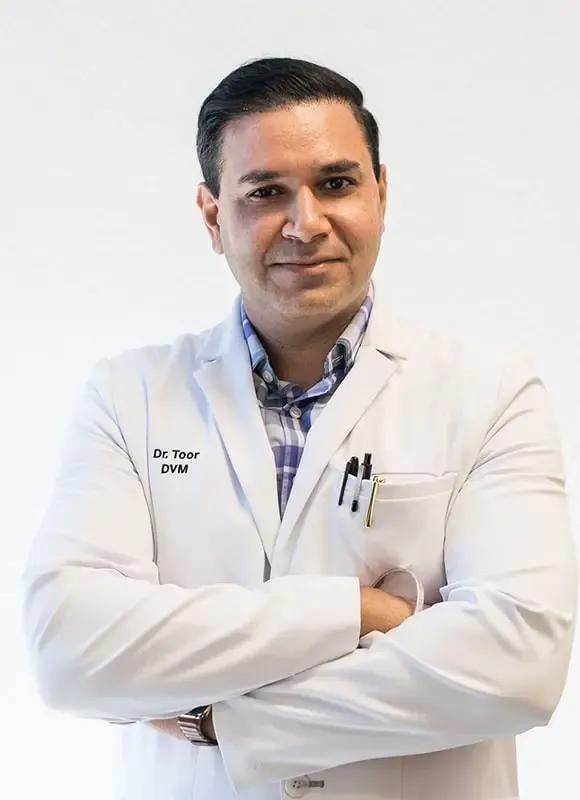
Dr. Toor and Dr. Singh bring years of combined veterinary experience to Little Paws Animal Hospital, along with a shared belief that pets deserve fast, honest care. At the same time, Dr. Toor and Dr. Singh bring their own strengths in diagnostics, surgery, and preventive medicine to the team.
Together, the three doctors built this hospital around what they felt was missing in the area: a practice with the capability of a large hospital and the warmth of a neighborhood clinic. They favor moderate, thoughtful treatment plans over pushing unnecessary procedures, so a visit here focuses on what your pet actually needs rather than a long list of add-ons. Their combined backgrounds give the practice a range of medical expertise you don’t often find outside a much larger city.
A Little Extra Love for Those Pearly Whites
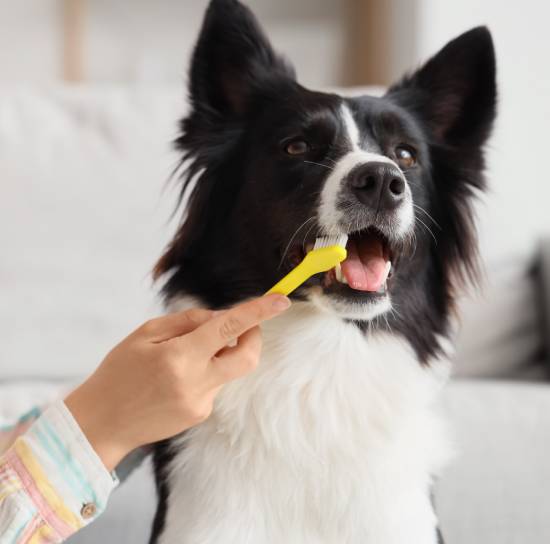
Your pet’s dental health is about more than a fresh smile. Our dedicated dental suite is designed to provide comprehensive veterinary dental care, including professional cleanings and dental X-rays, with modern equipment and a thoughtful approach to your pet’s comfort.
Because healthy teeth and gums are an important part of a healthy, happy life.
Your Pet’s Next Great Checkup Starts at Little Paws Animal Hospital!
Little Paws Animal Hospital is ready to see your dog or cat, often sooner than you’d expect from a first call. Dr. Toor and Dr. Singh invite you to schedule a visit and meet the team firsthand. Follow Little Paws Animal Hospital on social media for updates, pet care tips, and behind-the-scenes looks at the practice, and call today to book an appointment before a small concern turns into a bigger one.
FAQs

What areas does the practice serve?
Little Paws Animal Hospital primarily serves pet owners throughout Roseville, Sacramento, and the surrounding communities. Longtime residents and newcomers alike are welcome to bring their dog or cat in for treatment. The team values being a local, familiar option rather than one location among many in a larger corporate network. If you live nearby, you’re exactly who this practice was built to serve.

What types of pets do you treat?
This practice focuses specifically on cats and dogs, allowing the veterinary team to concentrate their expertise and equipment on providing thorough, specialized care for these companions. Routine wellness visits and more advanced medical needs both fall within the team’s daily focus, regardless of a pet’s age or breed. Concentrating on two species lets the doctors stay deeply knowledgeable about the conditions and treatments most relevant to your pet. It also means appointments run efficiently without cutting corners on care, since the team isn’t stretched across a dozen different types of animals.
Do you offer same-day veterinary appointments?
We aim to get pets seen as soon as possible and offer same-day appointments when available. Walk-ins are also accepted, depending on availability and your pet’s needs.

Do you provide urgent veterinary care?
Yes. We can help with urgent medical situations during our regular business hours. Little Paws is not a 24/7 emergency hospital, so pets experiencing a true emergency outside our hours should be taken to an appropriate emergency veterinary facility.
Do you provide pet dental care?
Yes. Veterinary dentistry is an important focus at Little Paws, with a dedicated dental suite equipped for services such as professional dental cleanings and dental X-rays.

Is this practice an emergency hospital?
Little Paws Animal Hospital offers urgent care support during regular business hours but does not operate as a 24/7 emergency hospital. Pets that need care outside business hours, or that are facing a true emergency, will be directed to the nearest 24/7 emergency veterinary hospital. During open hours, we take urgent situations seriously and address them as quickly as possible, often the same day. This balance lets the practice provide timely, focused care without stretching its resources too thin.

What payment options do you accept?
We accept cash, debit cards, checks with valid ID, Visa, Mastercard, Discover, and American Express. CareCredit and Cherry are also available payment options.

Do you offer Saturday appointments?
Yes. Saturday availability is part of our commitment to making veterinary care more accessible for Roseville-area pet owners.

Do you offer online appointment scheduling?
Yes. Little Paws uses ezyVet for online appointment scheduling, and scheduling functionality will be available through the website once the integration is ready.

Do I need to be an existing client to book an appointment?
No, new clients are always welcome at Little Paws Animal Hospital. A first wellness exam or a switch from another veterinary provider both get you the same warm welcome from this team. Bringing past medical records can help the doctors get up to speed quickly, but it isn’t required to schedule your first visit. Simply reach out to get started, and the front desk team will guide you through the rest.

Can I call with a quick question about my pet?
Yes, you’re encouraged to call rather than wait for your next scheduled visit. The staff aims to give you a real answer over the phone instead of leaving you on hold or passing you between departments. If a question sounds like it needs a closer look, they’ll help you decide whether to come in. This practice built getting a straight answer quickly into how it operates day to day.

What veterinary services do you offer?
We provide comprehensive veterinary care for dogs and cats, including wellness exams, vaccinations, preventative care, diagnostics, dental care, surgery, nutrition support, senior pet care, and medical treatment.
Will you explain my pet’s treatment options?
Absolutely. We believe in explaining before we treat. Our team will help you understand what is happening with your pet and why a particular treatment is recommended before moving forward.
Where is Little Paws Animal Hospital located?
Little Paws Animal Hospital is located at 4701 Fiddyment Rd, Suite #130, in Roseville, CA. We’re proud to serve pets and their families throughout the Roseville community.